

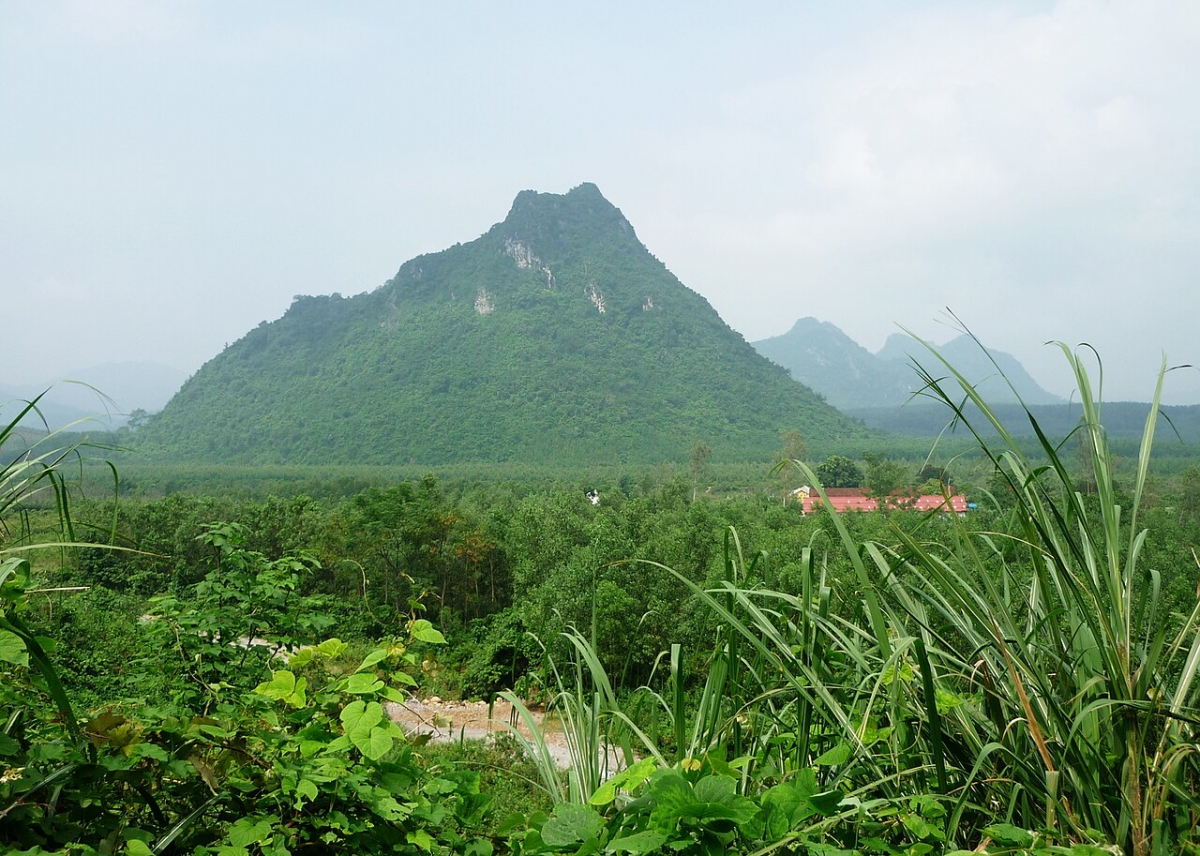
Rockpile Vietnam, also known by the U.S. military as Elliot Combat Base, is an isolated karst rock formation rising steeply just north of Route 9 and south of the former Vietnam Demilitarized Zone (DMZ). During the Vietnam War, this towering outcrop served as a strategic U.S. Marine observation post, accessible only by helicopter due to its rugged and steep terrain.
Today, the Rockpile is no longer a military stronghold but a unique historical site and tourist attraction. Surrounded by dramatic limestone mountains and lush countryside, it offers visitors a glimpse into the region’s wartime history while standing as a symbol of resilience and peace. Although climbing to the top is not possible for travelers, the Rockpile can be admired from nearby viewpoints along Route 9, making it a popular stop on DMZ tours in Quang Tri Province. With its rich history and striking natural beauty, the Rockpile is an unmissable destination for those exploring central Vietnam’s war relics and cultural heritage.
Every year, many tourists go to Rockpile to remember the heroic war days of the Vietnamese people. There are some American veterans who also regularly visit to remember the hard times of the war. Although it is difficult to reach, visitors can still see the Rockpile base from afar and take pictures of it.
Geographical Location
Rockpile is located in Vietnam at the southernmost boundary of the Vietnam DMZ, 26km west of Dong Ha. A Marine scouting team described it as resembling a toothpick-shaped mountain that juts out into the middle of an open area with cliffs. Because of the unique terrain, this place has become a base to observe the activities of the Vietnam People’s Army.
The Rockpile Hill is nearly 240m above the bottom of the Cam Lo River and lies on some of the main infiltration routes from North Vietnam and Laos. The hill was recorded by a small reconnaissance team of the Marines on July 4, 1966. Since then, the site has been noted and has become a unique base for American Marines. This is where American and South Vietnamese forces can observe the activities of the People’s Army of Vietnam.
Rockpile is located at the intersection of five significant valleys, about 10 miles from the Vietnam Demilitarized Zone. Not only that, but it also has a commanding view of the surrounding area, including several vital routes. Thanks to its height, it can see the whole view and be used for war purposes.
Strategic Significance Of The Rockpile Hill
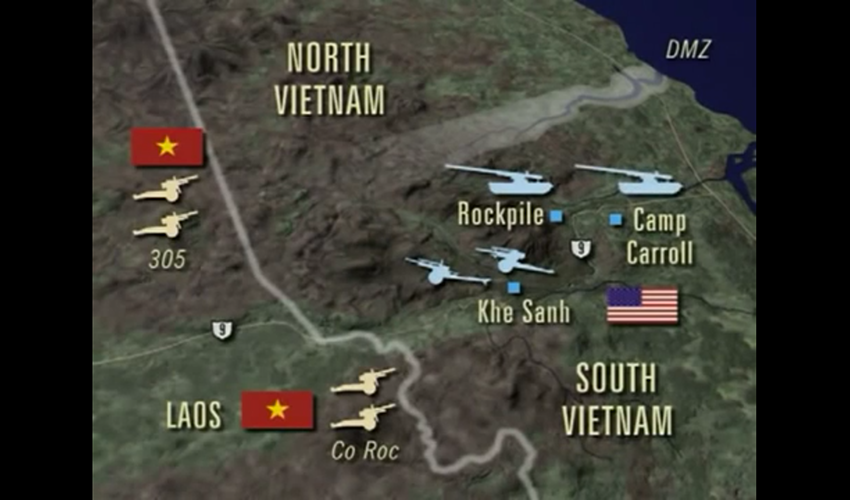
The location of Rockpile Vietnam has an excellent geographical position for observation, so the US has set up an observation team here. Its location gave the Americans the upper hand in defending and resupplying Khe Sanh Combat Base, Ca Lu Combat Base, and Camp Carroll. As a result, potential ambushes could be stopped along Route 9 in the Democratic Republic of Vietnam.
The surrounding mountains on either side of Route 9 provided the Democratic Republic of Vietnam troops with good hiding and ambush points. So the US ordered them to occupy the top of Rockpile to force them to move on a different, higher and more dangerous path.
The Battle of Hastings
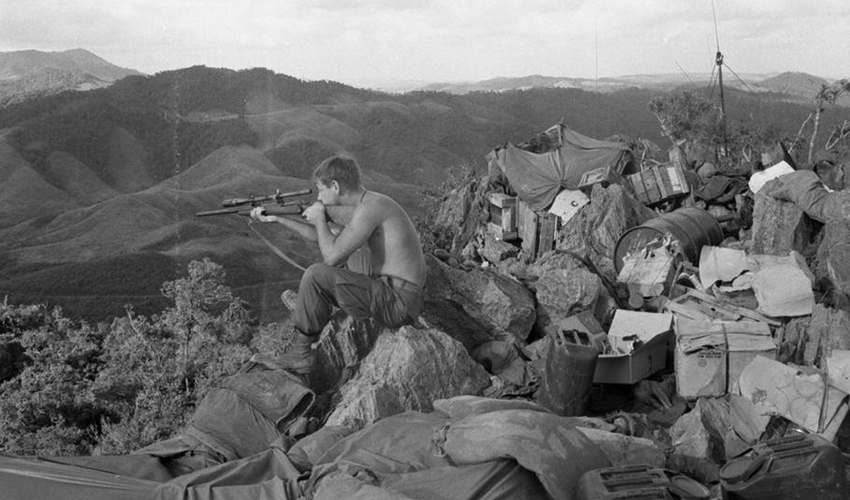
When American soldiers discovered Rockpile Hill in July 1966, some soldiers from the Democratic Republic of Vietnam were still active there. So a battle raging for this vantage point was inevitable. The battle for the mountain occurred during Operation Hastings and involved 8,000 Marines and 3,000 South Vietnamese soldiers.
American troops used the base at Dong Ha as a staging area to organize an attack on the area around Rockpile. The man in charge of the Hastings campaign, Brigadier General Lowell English, claimed that they could attack and destroy the army of the Democratic Republic of Vietnam. The campaign ended on August 3, 1966, and Rockpile was officially under American military control. Since then, Rockpile has had at least one squad of U.S. Marines stationed there. Those stationed here will receive their supplies via helicopter.
American Soldiers’ Life in Rockpile Vietnam
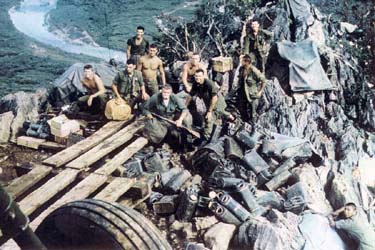
Rockpile’s position is quite fragile and can be easily attacked as it lies alone in the middle of the forest. The American soldiers permanently residing here will have three tents to live in. The three large tents at Rockpile all have soil sieves used as bedrooms, a mess hall, and a first aid station. The dining tent has no chairs or tables, but they use boards to put the food on and stand to eat.
Daily necessities will be delivered via helicopter, so there is also a helipad in addition to the three tents. It was made of thick wood but was hardly used because the weather conditions were not suitable for landing. Soldiers who want to bathe must use water sprayed down from helicopters. Dirty clothes will be picked up by the helicopter and taken to another location to be washed.
Although life here is very difficult, the soldiers still want to come to the station. The reason is that the location is relatively safe, and most people can complete the return mission in a week to 2 months.
After the Vietnam War ended
After the Vietnam War ended and the country was reunified, the military base on Rockpile Hill was no longer in use. Over time, this former U.S. observation post transformed into a fascinating historical attraction for visitors. Today, the Rockpile in Quang Tri is one of the essential stops on the famous Vietnam DMZ Tour. Its unique karst formation and significant role in the war make it a highlight for travelers exploring Vietnam’s past.
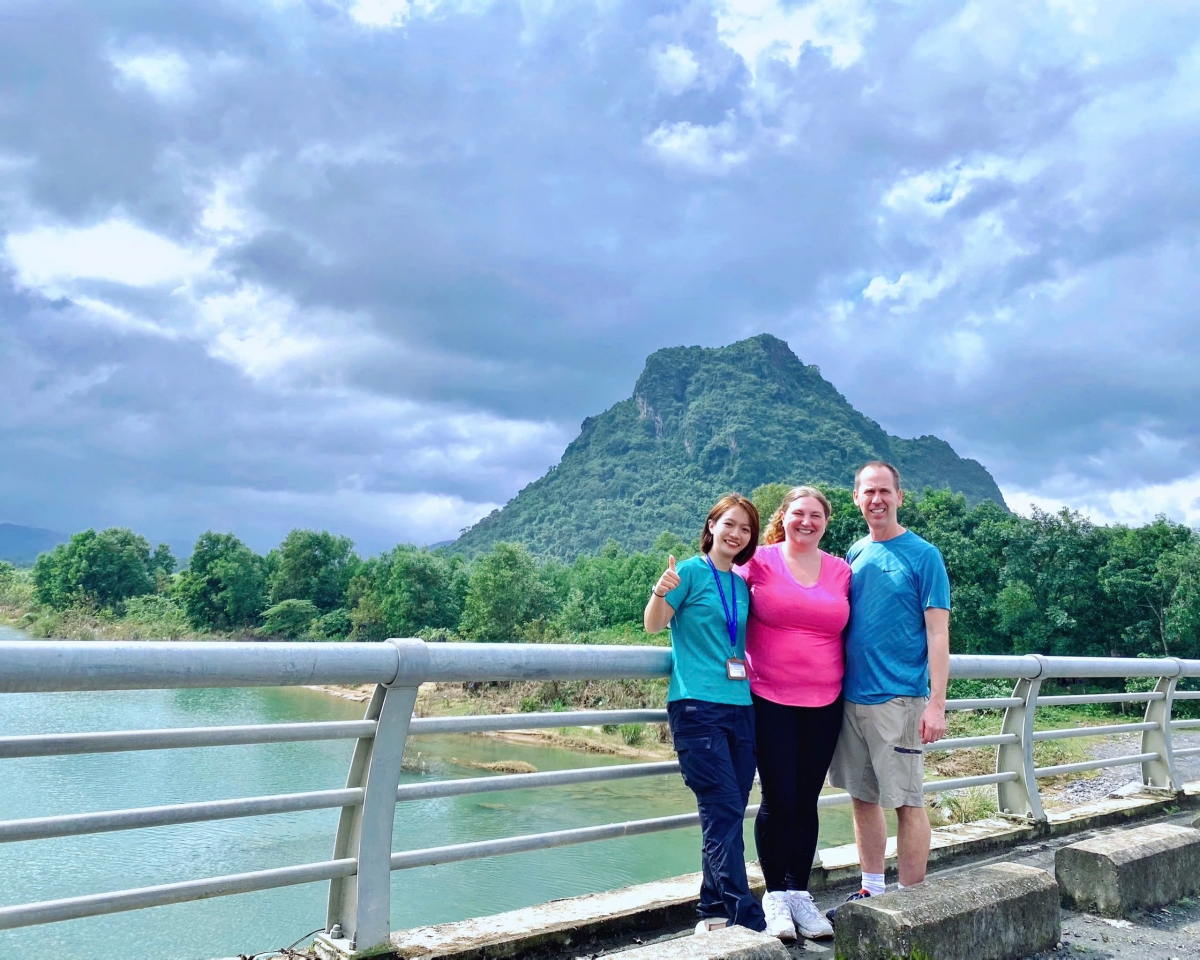
If you are planning a trip to Quang Tri to visit the Vietnam DMZ, you can easily book our Hue to DMZ Tour by private car for a comfortable and informative journey. That’s everything you need to know about Rockpile Vietnam. At Phongnha Discovery, we hope this guide helps you plan your trip.
>> Hotline: +84941247373 / +84848730000


Hang E, Phong Nha: Paddle Through a Quiet World Beneath the Mountains
Quang Tri Culture and Tourism Week 2026: Events, Dates and Highlights
Tan Hoa Village: A Valley of Limestone Mountains and Resilience
Discover Tan Hoa, a peaceful village in a limestone valley known for its floating homes, Nguồn culture and community-led approach to weather-adaptive tourism.
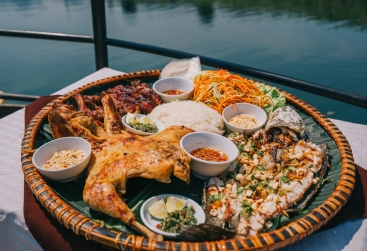
What to Eat in Phong Nha: Grilled Chicken, Cháo Canh, Son River Carp & Quảng Hòa Pancakes
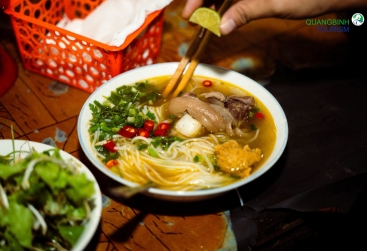
What to Eat at Dong Hoi’s Ga Market: A Taste of Local Life
 Contact us via Whatsapp
  Contact us via Messenger