

Hue, Phong Nha and Hoi An make a rewarding Central Vietnam route because each stop has a different rhythm: imperial history, a landscape of caves and rivers, then lantern-lit streets and coastal character. The trick is not to treat the middle stop as a quick transfer. Give Phong Nha enough time to feel like a destination in its own right.
A practical north-to-south outline is Hue → Phong Nha → Hoi An or Da Nang. You can travel by road, rail and road, or a combination, depending on what is operating on your dates. Check current schedules and connections before booking accommodation or tours.

Start in Hue, then travel to Phong Nha
Spend time in Hue before heading north to the cave region. If a heritage train or other public transport option fits your dates, compare it with a private transfer or bus connection. Each choice differs in departure time, pickup point and onward travel, so check the full route rather than only the first leg. Our Hue–Phong Nha heritage train tips can help you prepare if the train is running during your visit.
Dong Hoi is the arrival point many travellers use for the final journey to Phong Nha. Keep a buffer for collecting luggage and meeting your transfer, especially if you plan to join a tour on arrival day.
Give Phong Nha at least one full cave day

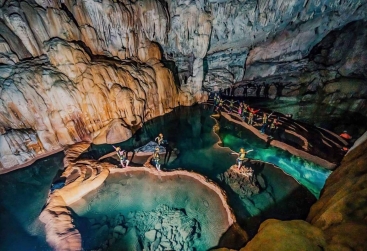
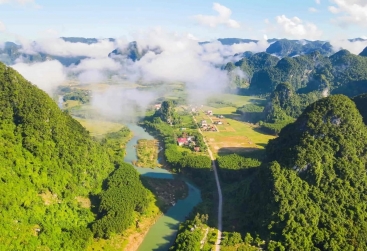
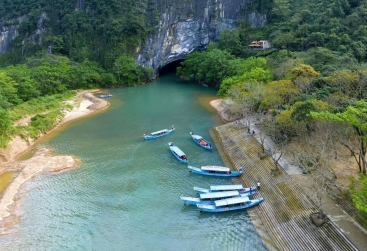
Once you arrive, choose a cave experience that suits the time and energy you have. A one-day plan might focus on a major cave visit; a longer stay can combine a cave with river scenery and time in the village. Avoid scheduling a tight departure immediately after a tour, as the return time and road conditions may vary.
For a slower visit, the two-day Phong Nha itinerary offers a useful way to think about balancing caves, river time and an overnight stay.
Continue south to Hoi An or Da Nang
After Phong Nha, continue toward Hoi An or Da Nang by the route that works for your group. Depending on the connection, you may return through Dong Hoi or arrange a direct road transfer. Check where the journey begins and ends, how luggage is handled and whether you need to change vehicles.
If you are travelling independently, allow time between transport legs and avoid relying on an unconfirmed same-day connection. If you are travelling with family or a group, compare the total door-to-door journey rather than just the time listed for one train or bus.
A sample pace for the route

- Hue: explore the historic sites and stay overnight.
- Phong Nha: allow a full day for caves, and add a night or second day if you want a slower pace.
- Hoi An or Da Nang: continue south for the next part of your Central Vietnam trip.
This is a framework, not a fixed timetable. Adjust it to current transport schedules, your cave-tour choice and the number of nights available.
Make the connections part of the plan
When a route includes several towns, a clear transfer plan can save you time and uncertainty. A trusted local tour operator in Phong Nha can help you compare cave tours and clarify pickup arrangements around your travel dates. Phongnha Discovery Tours can also help you understand which experiences fit between your arrival and onward departure.
Browse the Phong Nha tour options and check the transfer details before you finalise your Central Vietnam itinerary.








 Contact us via Whatsapp
 Contact us via Messenger