

A New UNESCO Milestone for Phong Nha – Ke Bang
Phong Nha – Ke Bang National Park has officially been recognized by UNESCO as a World Biosphere Reserve, marking a significant milestone in the conservation history of Vietnam and further strengthening the global reputation of this extraordinary natural heritage destination.
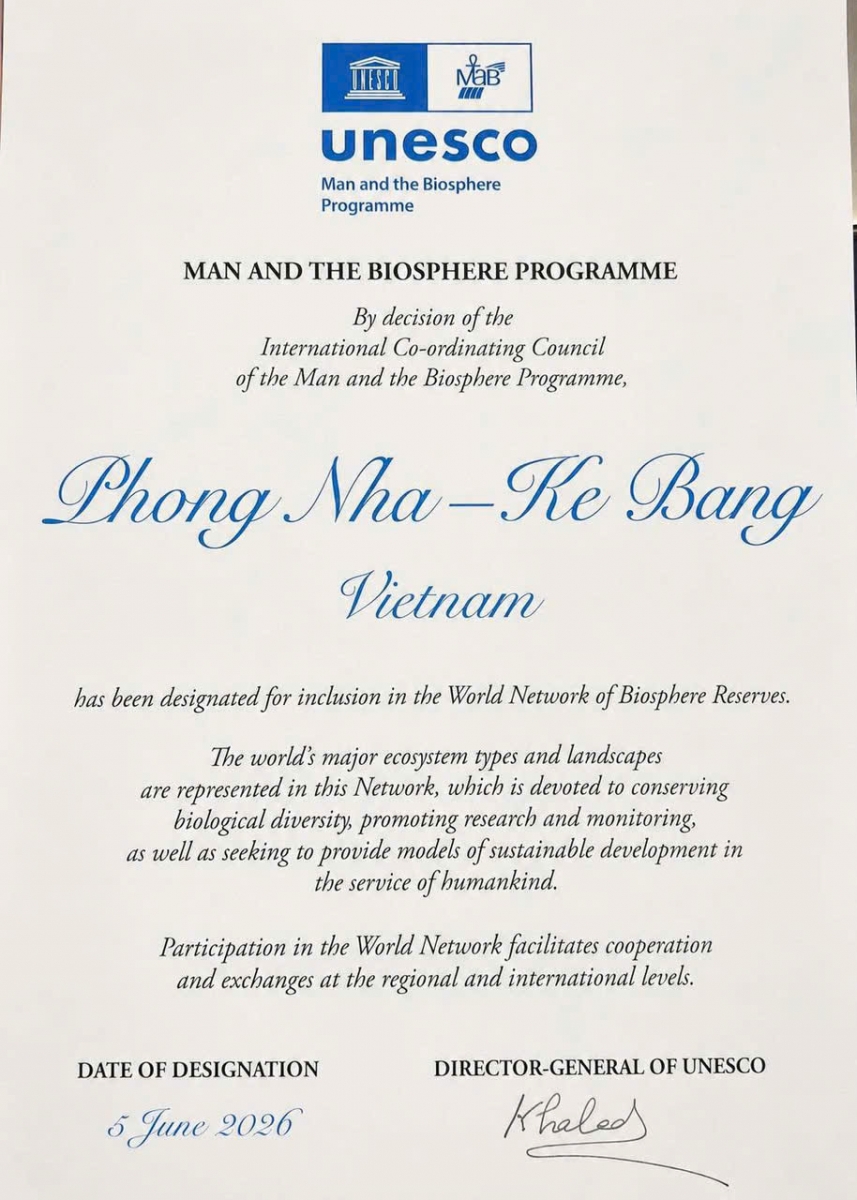
The recognition was approved on June 5, 2026, during the 38th Session of UNESCO’s International Coordinating Council of the Man and the Biosphere (MAB) Programme held in Hernandarias, Paraguay. This achievement represents the third major UNESCO recognition awarded to Phong Nha – Ke Bang, following its inscription as a UNESCO World Natural Heritage Site in 2003 and its expanded recognition for biodiversity values in 2015.
The new designation highlights the area's outstanding ecological value and confirms its importance as one of the world's most significant regions for biodiversity conservation, scientific research, and sustainable development.
What Is a UNESCO World Biosphere Reserve?
A UNESCO World Biosphere Reserve is an internationally recognized area where the conservation of biodiversity is balanced with sustainable economic and social development. Established under UNESCO’s Man and the Biosphere Programme, these reserves serve as "living laboratories" where communities, scientists, governments, and conservationists work together to protect natural ecosystems while supporting local livelihoods.
Unlike strictly protected nature reserves, biosphere reserves encourage a harmonious relationship between people and nature. They promote environmental protection, scientific research, education, sustainable tourism, and community-based development.
The Outstanding Value of Phong Nha – Ke Bang
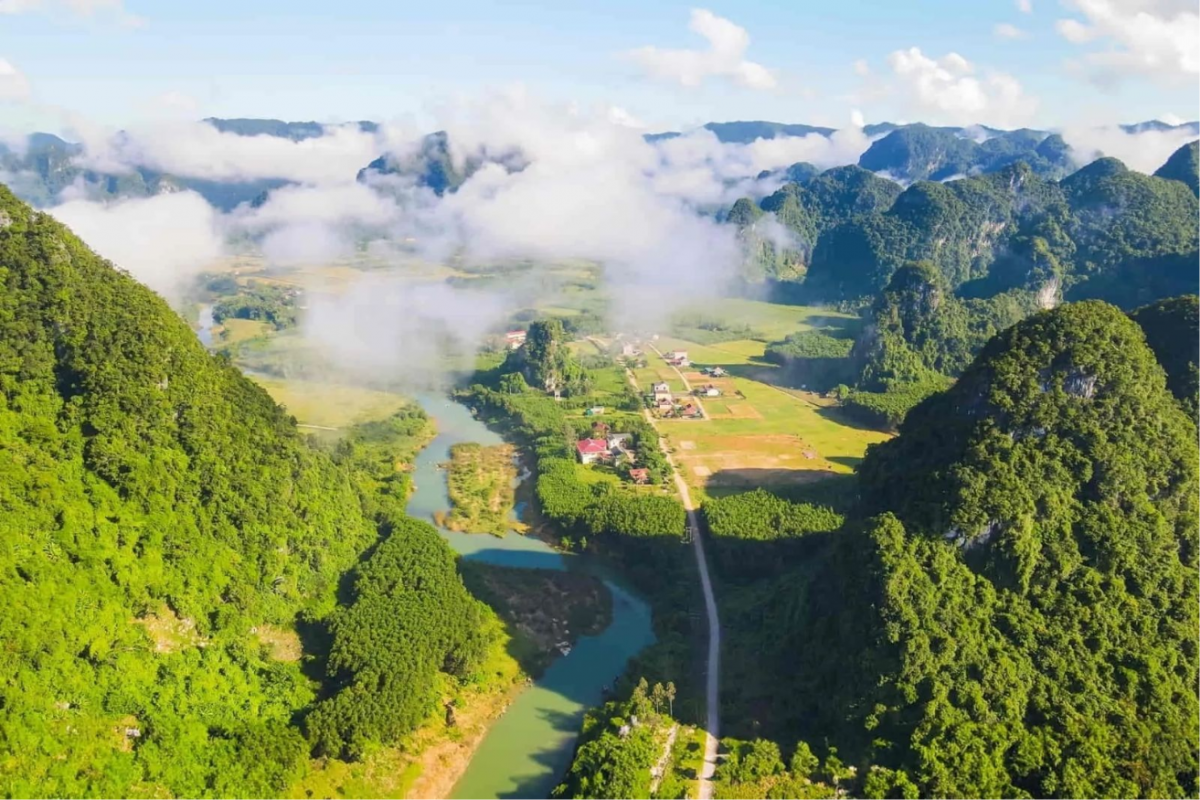
Located in central Vietnam, Phong Nha – Ke Bang is one of Southeast Asia’s most remarkable natural landscapes. The park is famous for its vast limestone mountain system, ancient tropical forests, underground rivers, and hundreds of spectacular caves.
The area is home to some of the world's most extraordinary cave systems, including Son Doong Cave, the largest natural cave on Earth, along with Paradise Cave, Phong Nha Cave, Hang En Cave, and numerous other underground wonders. These geological formations have evolved over hundreds of millions of years, creating a unique karst ecosystem of global scientific significance.
Beyond its geological treasures, Phong Nha – Ke Bang supports exceptional biodiversity. The national park contains extensive tropical limestone forests and provides habitat for many rare and endangered plant and animal species. Scientists continue to discover new species and previously unknown cave systems within the park, demonstrating its ongoing ecological importance.
Scale and Structure of the Biosphere Reserve
According to the dossier approved by UNESCO, the Phong Nha – Ke Bang World Biosphere Reserve covers a total area of 515,830 hectares.
The reserve consists of:
- Core Zone: 123,326 hectares
- Buffer Zone: 220,055 hectares
- Transition Zone: 172,449 hectares
The biosphere reserve is home to more than 159,300 residents who live within and around the protected area. This zoning model allows conservation activities to coexist with sustainable economic development, creating opportunities for local communities while preserving the area's exceptional natural resources.
Benefits of UNESCO Recognition
The recognition as a World Biosphere Reserve brings numerous opportunities for Phong Nha – Ke Bang and the surrounding communities.
Strengthening Nature Conservation
The UNESCO designation enhances international cooperation in biodiversity conservation, scientific research, and environmental monitoring. It also helps attract global expertise and resources to support long-term ecosystem protection.
Promoting Sustainable Tourism
As one of Vietnam’s most iconic natural destinations, Phong Nha – Ke Bang already attracts visitors from around the world. The new recognition is expected to increase international awareness of the destination and encourage the development of responsible and sustainable tourism products that benefit local communities while protecting natural resources.
Supporting Local Communities
A key objective of UNESCO Biosphere Reserves is improving the quality of life for local residents through sustainable economic activities. Ecotourism, environmental education, community-based tourism, and conservation-related employment can create long-term benefits for people living in and around the reserve.
Expanding Research and Education
The biosphere reserve designation also strengthens opportunities for scientific research, environmental education, and international collaboration. Researchers from around the world can continue to study the region's unique ecosystems, geology, and biodiversity while contributing to global conservation knowledge.
A Proud Achievement for Vietnam
With the inclusion of Phong Nha – Ke Bang in UNESCO’s World Network of Biosphere Reserves, Vietnam continues to demonstrate its commitment to balancing environmental conservation with sustainable development. The recognition is not only a source of pride for Quang Tri Province and Vietnam but also an important step toward protecting one of the planet’s most extraordinary natural treasures for future generations.
Discover the UNESCO World Biosphere Reserve of Phong Nha – Ke Bang
From breathtaking caves and pristine forests to unique wildlife and authentic local culture, Phong Nha – Ke Bang offers visitors an unforgettable experience in one of the world’s most remarkable natural destinations.
Whether you are exploring the underground rivers of Phong Nha Cave, admiring the magnificent formations of Paradise Cave, kayaking through Chay River, or embarking on an adventure into the world-famous Son Doong Cave, every journey contributes to the appreciation and preservation of this globally recognized biosphere reserve.


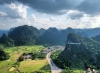

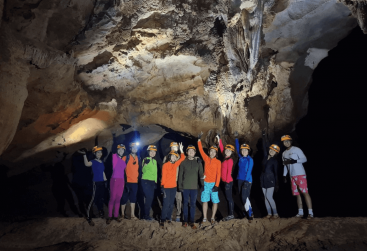
Chinh Phục Hệ Thống Hang Động Chà Lòi: Hành Trình Khám Phá Tuyệt Tác Lòng Đất
Hệ thống hang động Chà Lòi mang đến trải nghiệm thám hiểm hoàn toàn khác biệt với sự kết hợp giữa kiến tạo địa chất kỳ vĩ, những dòng sông ngầm trong xanh và giá trị lịch sử sâu sắc. Cùng Phong Nha Discovery tìm hiểu hành trình chinh phục vẻ đẹp hoang sơ này!

Beyond the Battlefields: Discovering Khe Sanh’s Misty Mountains & Artisanal Coffee Culture
From historic battlefields to artisanal Arabica coffee roasting, explore the misty highland charm of Khe Sanh on a private tour with Phong Nha Discovery.
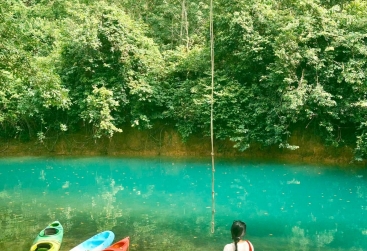
Discover Blue Diamond Retreat Phong Nha: Entrance Fees, Location & Travel Guide
Get updated details on location, pricing, and key activities at Blue Diamond Retreat Phong Nha with Phongnha Discovery Tours.
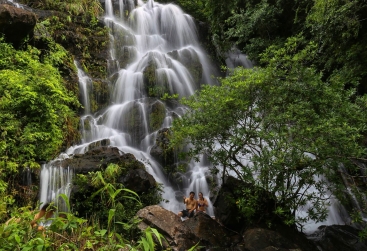
Discover the Phong Nha Botanical Garden: A Natural Haven in Central Vietnam
Explore the Phong Nha Botanical Garden in Phong Nha - Ke Bang National Park. Discover pristine rainforest trails, Gio Waterfall, and how to visit with Phongnha Discovery Tours.
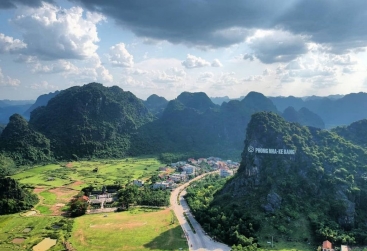
Phong Nha - Ke Bang Named Among Top 11 Best Destinations in Vietnam for 2026
Phong Nha - Ke Bang National Park was listed among the top 11 best destinations in Vietnam for 2026. Discover how to explore this World Heritage site with Phongnha Discovery Tours and stay at Discovery Lodge.
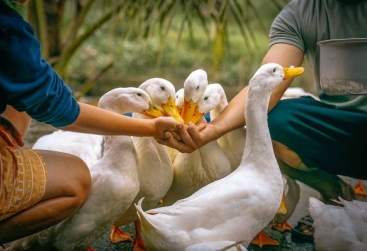
The Duck Stop Phong Nha: Ticket Prices, Duck Massage & Farm Experiences
Plan your trip to The Duck Stop Phong Nha. Get full details on ticket prices, signature farm activities, and book your stay at Discovery Lodge for an unforgettable tour!
 Contact us via Whatsapp
  Contact us via Messenger