

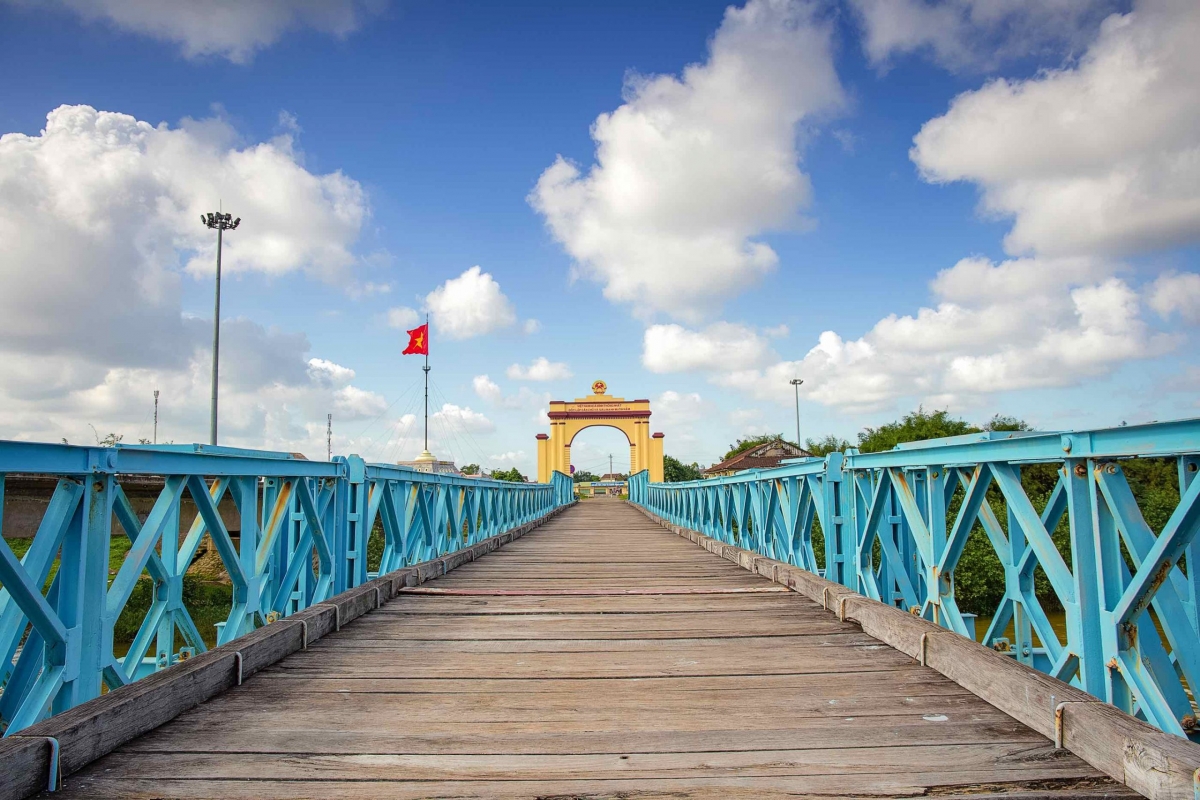
Located on the 17th parallel, within Hien Thanh Commune (Vinh Linh District) and Trung Hai Commune (Gio Linh District), Quang Tri Province, the Hien Luong – Ben Hai relic complex is a special historical site that symbolizes the Vietnamese people’s struggle during the period of national division (1954–1975).

Location & Scope
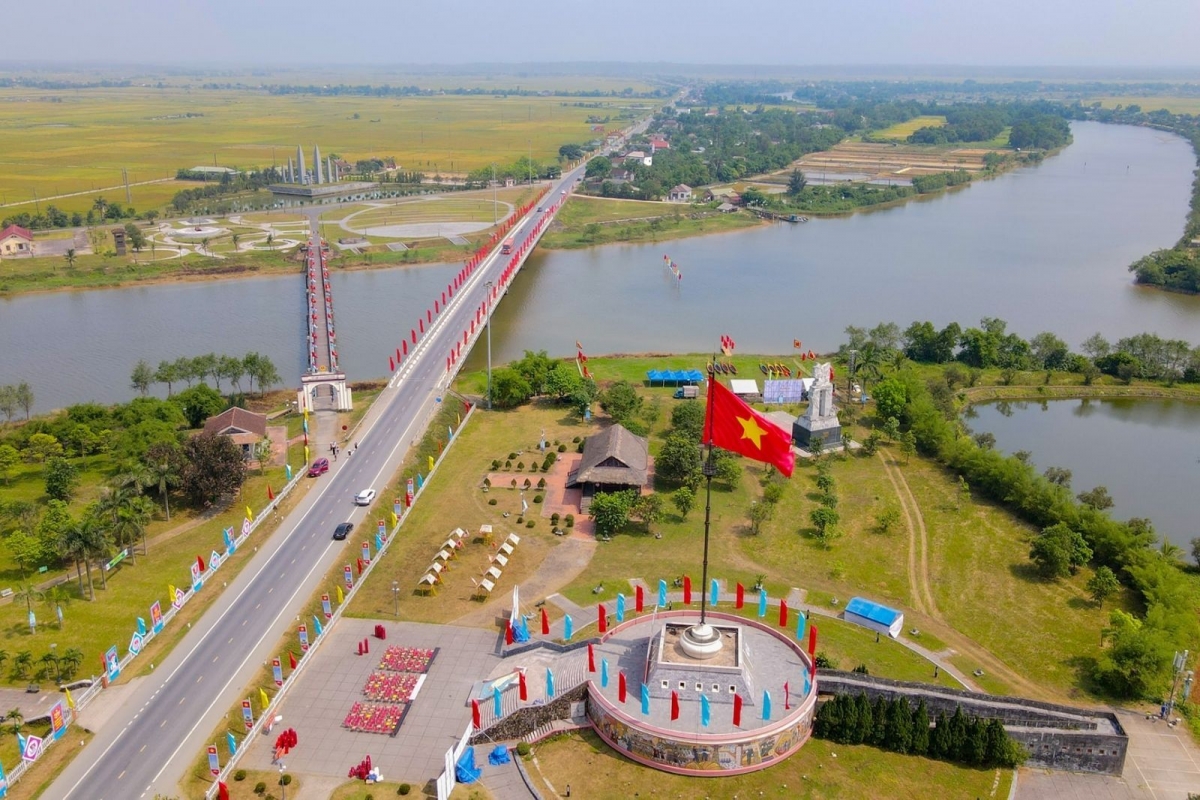
The relic complex is situated on both banks of the Ben Hai River, where the old National Highway 1A crosses the river at Hien Luong Bridge. Spanning approximately 9 hectares, the site is situated at the confluence of the river and National Highway 1A. The southern bank belongs to Xuan Hoa Village (Trung Hai Commune, Gio Linh District), while the northern bank belongs to Hien Luong Village (Vinh Thanh Commune, Vinh Linh District), approximately 22 km north of Dong Ha City.
The relic area extends across Vinh Thanh, Vinh Giang, Vinh Son communes, Cua Tung town (Vinh Linh District), and Trung Hai Commune (Gio Linh District).
The overall conservation plan encompasses approximately 104.96 hectares, with 21.99 hectares designated as the protected core zone (approved in 2025).
Formation & Typical Structures
The relic complex stands as a “witness” to the temporary dividing line at the 17th parallel, established after the Geneva Agreement of 1954. Key structures include:
- Hien Luong Bridge: spanning approximately 183 m with seven spans, it has become a lasting symbol of reconciliation and reunification.
- Hien Luong Flagpole: a reconstruction of the historic flagpole on the northern bank, where symbolic “flag battles” between the two sides once took place.
- Loudspeaker System – the “Sound War”: the original 500W loudspeaker (north bank) is now displayed in the “17th Parallel and the Desire for Unification” exhibition house, recalling the psychological confrontations of the time.
- Other sites: the Joint House, border police station, watchtower, and the exhibition house showcasing artifacts and documents about life on both sides of the dividing line.
For 21 years (1954–1975), the bridge and river bore witness to separation, unique forms of struggle (flag battles, loudspeaker battles), and above all, the unwavering aspiration for national unity.
Today’s Value
Today, the relic complex has become a symbol of peace and reunification, serving as an important destination for traditional education, especially for younger generations. Exhibition houses, artifacts, and documentaries offer visitors a vivid perspective on life along the 17th parallel.
The site is also a highlight of the DMZ tour route in Quang Tri (Vinh Moc Tunnels – Quang Tri Citadel – Route 9 – Khe Sanh – La Vang), often chosen as a meaningful stop for memorial and gratitude programs.
- Opening hours: 07:00 – 18:00 daily
- Entrance fee:
- Adults: 50,000 VND
- Children: 20,000 VND
- Access: About 22 km north of Dong Ha City via National Highway 1A, with convenient parking on both banks.
Travel distances:
- Hue → Dong Ha: ~90–105 km (via National Highway 1A/CT01), ~1h45; from Dong Ha, continue 22 km to the site.
- Dong Hoi → Dong Ha: ~105 km along Highway 1A, then 22 km further south to the site.
Historical Significance
The Hien Luong – Ben Hai relic complex not only reflects the painful history of separation but also embodies the resilience and determination for reunification of the Vietnamese people.
It is both a historical witness and a meaningful cultural site, fostering patriotism and national pride, while also serving as a key stop for visitors exploring Central Vietnam.
Suggested Itineraries:
- Half-day / 1-day trip from Dong Ha:
Dong Ha → Hien Luong – Ben Hai (visit the bridge, flag tower, exhibition house, loudspeaker system) → Gio Linh Ancient Rampart / Quang Tri Citadel → return to Dong Ha. - DMZ 1-day tour from Hue or Dong Hoi:
Early departure → Hien Luong – Ben Hai → Vinh Moc Tunnels → Quang Tri Citadel → drop-off. - DMZ 1-day tour from Quang Binh:
Dong Hoi → Hien Luong – Ben Hai → Vinh Moc Tunnels → Quang Tri Citadel → return to Hue/Dong Hoi. From Phong Nha – Ke Bang, travelers can reach the site via National Highway 1A or the eastern branch of the Ho Chi Minh Road, combining Quang Binh – Quang Tri exploration into a 1–2 day itinerary.
Top destinations you shouldn't miss in Quang Tri Province
>>>Tour consultation: +84848730000/ +84941247373.






Exploring Phong Nha with Family: A Complete Guide for Kids & Seniors
Plan a seamless family trip to Phong Nha-Ke Bang. Discover accessible caves, Mooc Stream, transport options, and comfortable lodging with Phong Nha Discovery.

[NATIONAL DAY SPECIAL OFFER] Free Heritage Train Ticket (Hue – Quang Tri) When Booking 2D1N Phong Nha Tour
Grab a FREE Hue – Quang Tri Heritage Train ticket when booking a 2D1N Phong Nha Tour for Vietnam National Day (Sept 2nd). Explore Paradise Cave, Dark Cave & Phong Nha with Phong Nha Discovery Tours. Limited to 50 guests!

[ƯU ĐÃI LỄ 2/9] Tặng Vé Tàu Di Sản Huế – Quảng Trị 0Đ Khi Đặt Tour Phong Nha 2N1Đ
Nhận ngay vé Tàu Di Sản Huế – Quảng Trị GIÁ 0 ĐỒNG khi đặt Tour Phong Nha 2N1Đ dịp Lễ Quốc Khánh 2/9! Khám phá Động Thiên Đường, Hang Tối & Động Phong Nha cùng Phong Nha Discovery Tours. Ưu đãi giới hạn chỉ 50 suất!
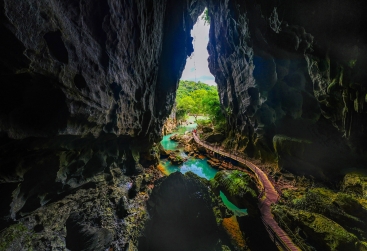
Từ Dễ Đến Mạo Hiểm: Xếp Hạng Các Hang Động Phong Nha Theo Độ Khó
Đâu là hang động dành cho bạn? Khám phá cẩm nang phân loại độ khó các hang động Phong Nha, Thiên Đường, Hang Tối và Sơn Đoòng để chọn chuyến đi hoàn hảo nhất.
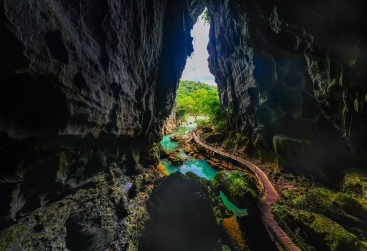
From Easy to Extreme: Phong Nha Caves Ranked by Difficulty
Which cave is right for you? Explore our difficulty guide covering Phong Nha Cave, Paradise Cave, Dark Cave, and Son Doong to pick your perfect trip.
 Contact us via Whatsapp
  Contact us via Messenger